
 IBP Uniuso Editorial Team
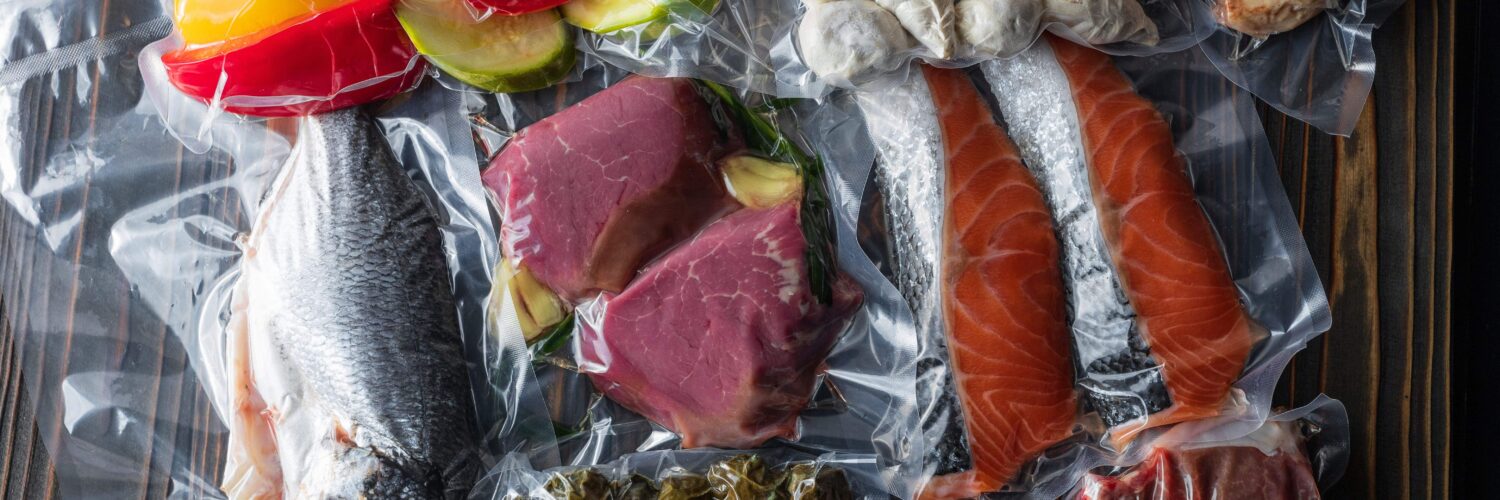
Vacuum-packed food is intended to stay preserved for as long as possible, retaining its sensory properties and slowing natural spoilage.
This does not make food last forever, but it is one of the most widely recommended methods of food preservation. To make the most of it, however, you also need to consider factors such as the type of product, the quality of the packaging and where the food is stored.
Vacuum packing: what is it and how does it affect food shelf life?
Vacuum packing involves removing the oxygen from the food packaging to keep the food in an air-free environment.
This process helps prevent aerobic organisms from multiplying, which slows the oxidation and spoilage of food. As a result, the food has a longer shelf life and retains its properties and nutrients during that period.
Key factors affecting the shelf life of vacuum-packed food
Vacuum-packed food takes longer to spoil, but its shelf life depends on several factors, including the following:
- Process: vacuum packing must be carried out correctly, using suitable equipment to achieve the best possible preservation.
- Packaging: it is important to choose the right type of high-quality vacuum packing bags.
- Product: the packing process may be the same, but each product has a different shelf life because of its natural properties.
- Storage: storing vacuum-packed food in a cupboard is different from storing it in the fridge or freezer.
Benefits of vacuum packing
The benefits of vacuum packing make it one of the most widely recommended methods of food preservation:
- It helps preserve the food’s properties and nutrients.
- It allows food to be stored for use much later.
- It reduces food waste in both households and industry.
- Vacuum packing takes up very little space and can replace bulkier packaging.
- This process can save money by allowing surplus food to be stored and offering a more affordable option than more perishable products.
How long do different types of vacuum-packed food last?
| Vacuum-packed food shelf life chart | ||||
| Food | Without vacuum packing | Vacuum-packed in a cupboard | Vacuum-packed in the fridge | Vacuum-packed in the freezer |
| Lettuce | 3–5 days | Up to 2 weeks | 1–2 weeks | Not recommended |
| Pâtés | 2–3 days | 1–2 months | 4–5 weeks | 2–3 months |
| Prepared meals | 2–3 days | 1–2 weeks | 1–2 weeks | 2–3 months |
| Fish | 1–2 days | 2–3 weeks | 1–2 weeks | Up to 2 years |
| Vegetables | 1–2 days | 2–3 weeks | 2–3 weeks | 8–12 months |
| Fruit | 3–5 days | 1–2 weeks | 1–2 weeks | 8–12 months |
| Cheese | 1–2 weeks | 4–6 weeks | 4–5 weeks | 6–8 months |
| Rice and pasta | 3–5 days | Up to 1 week | 1–2 weeks | 2–3 months |
| Purée | 3–5 days | Up to 1 week | 1–2 weeks | 2–3 months |
| Meat | 3–5 days | 1–2 weeks | 1–2 weeks | 2–3 months |
| Sliced cooked meats | 3–5 days | 2–3 weeks | 1–2 weeks | 2–3 months |
| Cured sausages | 3–5 days | 3–4 weeks | 1–2 weeks | 2–3 months |
| Desserts | 3–5 days | 1–2 weeks | 1–2 weeks | 2–3 months |
Which foods are suitable for vacuum packing and which are not?
The vacuum-packed food shelf life chart shows which foods are suitable for this process:
- Lettuce
- Pâtés
- Prepared meals
- Fish
- Vegetables
- Fruit
- Cheese
- Rice and pasta
- Purée
- Meat
- Sliced cooked meats
- Cured sausages
- Desserts
foods not recommended for vacuum packing are as follows:
- Raw garlic and onions.
- Hot food.
- Food with sauces.
- Crunchy foods such as biscuits.
- Thick-skinned foods such as citrus fruit.
- Fermented or carbonated foods.
- Foods with a high oil content.
- Foods with a high water content.
- Mushrooms.
Practical tips for extending the shelf life of vacuum-packed food
- Always use bags suitable for vacuum packing of the highest quality.
- Choose a storage location suitable for the food.
- Observe the vacuum-packed shelf life of each product.
- Label and date each vacuum-packed item to keep track of it.
- Remember to defrost food correctly.