 IBP Uniuso Editorial Team
Kraft paper is a type of wrapping paper made from wood fibre pulp. It was developed by the Swede Carl Dahn in 1884. Its name comes from the German word “Kraft”, meaning strength or vigour.
In recent years, it has become a popular choice in many sectors thanks to its strength, versatility and low environmental impact. One of its main characteristics is that it is 100% recyclable and environmentally friendly.
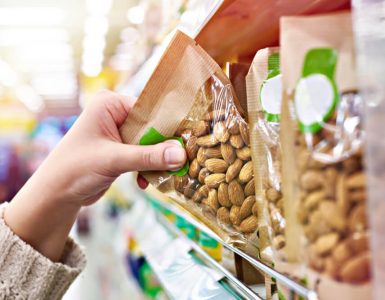
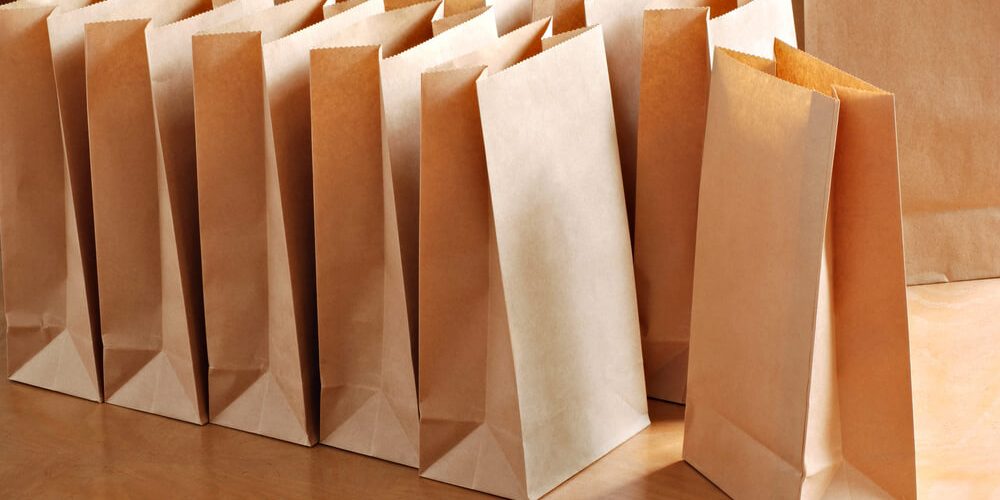
Compared with conventional paper, it has a rougher, thicker texture, is usually brown and is stronger. It is increasingly used as an alternative to bubble wrap for packing items because it takes up less space, reducing storage costs. In flexible packaging, bags made from this material are becoming more common thanks to these advantages.
These characteristics are making kraft paper an essential material for transport, decoration and environmentally conscious projects. Its distinctive, handcrafted appearance appeals to people looking for an original finish for their businesses, products and other items.
Characteristics of kraft paper
Kraft paper is thick, with a surface that can be rough or smooth. It is available in different weights, from 20 to 120 g/m², depending on its intended use. It is a very strong material.
Its natural colour is brown, although it can also be dyed in other colours. The natural finish conveys warmth, craftsmanship and a rustic feel, qualities that are widely appreciated.
There is growing awareness of the need to protect the environment and choose products that minimise environmental harm and are recyclable and environmentally friendly. These qualities make kraft paper an attractive alternative.
Always consider how the paper will be used, then choose the characteristics of kraft paper that best suit that purpose.
Uses of kraft paper
Thanks to its versatility, the uses of kraft paper are varied. It is mainly used for wrapping and for making bags, envelopes, parcels and packaging in different shapes. Its malleability also makes it a flexible material that can be adapted to many other needs.
Its applications range from gift wrapping to business cards and even wedding invitations. It is even used in packaging for microwave popcorn. Here are some of its most common uses:
- Protective packing: kraft paper is increasingly used as an alternative to bubble wrap. Its flexibility makes it easy to shape into a strong protective layer, and it takes up considerably less space than bubble wrap.
- Product packaging: kraft paper is increasingly popular for packaging. Its durability and strength help protect products while presenting them to customers with a creative, minimalist finish. Its appeal as an environmentally friendly material also resonates with customers who care about protecting the environment.
- Gift wrapping: just as shops use kraft paper to wrap and present their products, it is increasingly used for wrapping personal gifts. It offers a creative, original way to give them a distinctive appearance.
- Design: designers also use kraft paper to give their products a natural feel. It is increasingly used for business cards, wedding invitations, gift tags and bookmarks.
Kraft paper is an environmentally friendly option for packaging. If you would like to add quality to your products, take a look at our laminated kraft paper bags and the different options available.