
 IBP Uniuso Editorial Team
Making the most of what we have means cutting waste and finding ways to keep using materials and products we no longer need. That is the idea behind the three Rs of sustainability: reduce, reuse and recycle.
Reducing means buying and using resources responsibly so we create less waste. Recycling and reusing also help reduce waste, though they work in different ways.
What is recycling?
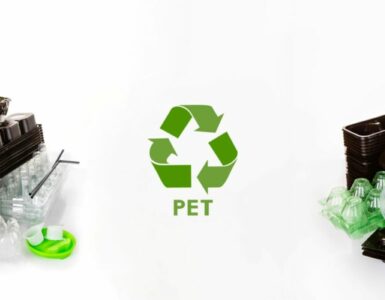
Recycling means processing a product to recover raw materials. Those materials can be used to make new items, including a new version of the original product.
A material or product is recyclable (in Spanish) if it can be processed into material that can be used again.
Benefits of recycling
Recycling can benefit businesses, communities and the environment in several ways:
- Less energy is needed to manufacture new raw materials.
- Businesses can save money.
- Fewer fossil fuels are used.
- Pollution is reduced.
- Natural resources are preserved.
- Less waste ends up in landfill.
What does reusing mean?
Reusing means using an item or material again, either for its original purpose or for something different.
A product is reusable (in Spanish) if you can use it again for the same purpose or give it a new one. For example, you can use the same box for several trips or turn it into something new for a craft project.
Benefits of reusing
The benefits of reusing a product often overlap with those of recycling. Reuse also has some advantages of its own:
- Products last longer.
- It saves money, especially for households, by reducing the need to buy replacements.
- Less waste is generated.
- It can save energy by reducing the need to make new materials.
- Pollution is reduced.
- It encourages us to use products responsibly.
What are the main differences between recycling and reusing?
Both practices help us get more value from the resources we already have. Here is how they differ:
- Recycling uses an industrial process to turn products into raw materials. Reusing can often be done at home, for example by turning an old item into something useful.
- Reusing helps prevent waste in the first place. Recycling recovers materials from waste at a specialised facility so they can be used again.
- Reusing products encourages us to make the most of what we have. Recycling also supports responsible choices, such as buying products made from recycled materials.
Recycling turns waste into raw materials through an industrial process, which can conserve resources and reduce environmental impact. Reusing extends the useful life of a product without industrial processing, helping prevent waste and encouraging us to buy less. Together, the two practices can reduce pollution and make better use of natural resources.