 IBP Uniuso Editorial Team
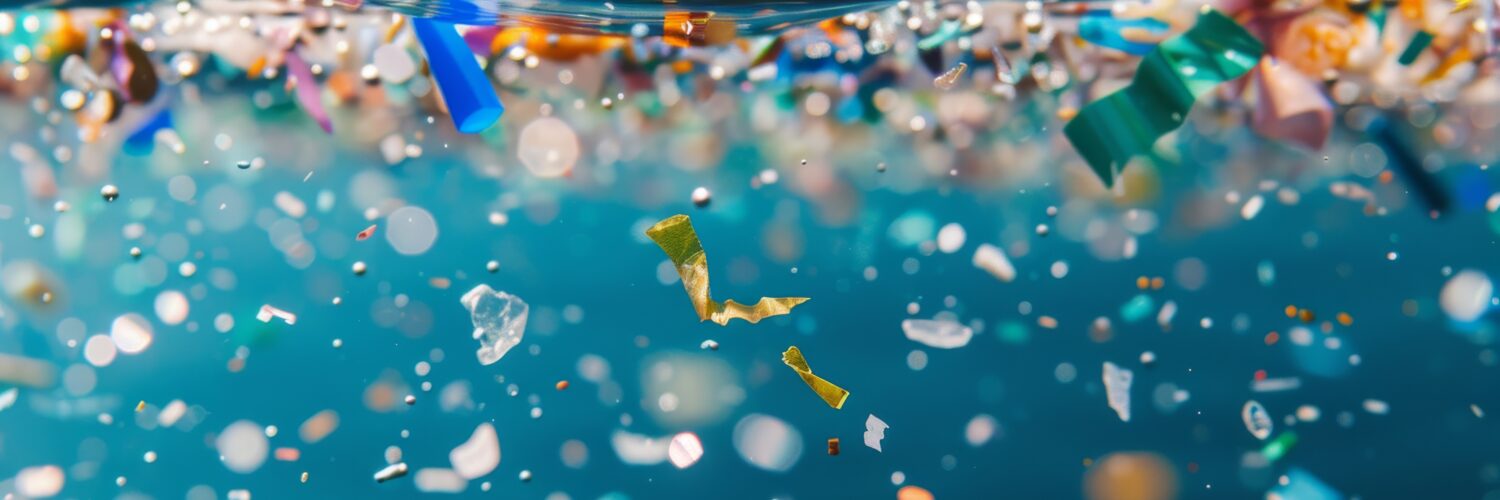
Microplastics appear in news reports and everyday conversations, but it can be hard to pin down what they are. In simple terms, microplastics are plastic particles smaller than five millimetres. They form when larger pieces of plastic break down, or they are made at that size for specific uses.
Despite their size, microplastics are a widespread environmental concern. They have been detected in air, water and food. Recycling correctly and using plastic products responsibly can help keep plastic waste out of the environment, where it can break down into smaller particles.
Types of microplastics
There are two main types of microplastics, classified according to how they form:
- Primary microplastics are made at a small size for specific industrial or cosmetic uses. Examples include plastic microbeads used in some exfoliating products.
- Secondary microplastics form when larger plastic items, such as bags, gloves, films or packaging, break into smaller pieces through exposure to sunlight, friction or heat.
In workplaces, using materials incorrectly or failing to separate waste can make it harder to keep discarded plastics out of the environment. Separating waste and recycling it properly can help.
What do we know about microplastics and health?
Microplastics can contain additives or carry contaminants on their surfaces. People may be exposed through the air they breathe and the food and water they consume. Researchers are still working to understand what this exposure means for human health.
In hospitality, beauty and healthcare, keeping workplaces clean and checking plastic materials for wear can help limit the release of particles. Extended producer responsibility (EPR) also encourages improvements in ecodesign, traceability and recycling across the life cycle of these materials.
What are the main sources of microplastics?
Microplastics can come from worn packaging, technical textiles, damaged utensils or poorly managed waste. In restaurants, clinics and factories, covered bins, separate waste streams and regular collections help prevent discarded plastic from spreading. Harsh cleaning products can also damage some materials. Store products properly and follow the cleaning instructions for each material.
How to reduce microplastic pollution
Consider how each material will be used, cared for and disposed of. Here are some practical steps:
- Choose durable materials suited to the job. Polypropylene, including cast polypropylene (CPP), can help reduce breakage and extend the useful life of bags and packaging. Check its suitability for the temperatures involved and whether it is accepted for recycling locally.
- Use packaging designed to preserve and protect its contents. For example, microperforated CPP bags let air circulate, which can help reduce condensation and waste when packing fresh food.
- Keep workwear clean and in good condition. Look after synthetic fabrics to limit wear and shedding, especially where hygiene is essential.
- Separate recyclable materials consistently. Use clearly labelled bins, avoid letting waste build up and follow local collection rules for each material.
Small steps such as sorting recycling correctly, choosing suitable packaging materials (in Spanish) and looking after workwear can help reduce microplastic pollution.
At IBP Uniuso, we focus on practical ways to improve sustainability. We work with distributors and professionals to offer hygienic and durable products that meet applicable European standards in sectors where reliability and performance matter. Reducing microplastic pollution is part of using resources efficiently and running a responsible business.
We offer polypropylene products suited to their intended use and designed to be recyclable where facilities accept them, along with advice on choosing materials that help meet your environmental and quality goals.
Pay attention to how you use plastic at every stage. Choose materials carefully, reuse products when appropriate and recycle them according to local guidance.